If you have only recently started watching anime, you have probably come across terms like shonen, shojo, seinen, josei, isekai, mecha, and slice of life.
At first it feels like an RPG menu without a tutorial. But once we understand what each term means, it becomes much easier to discover new works and understand why two completely different anime can fall under the same classification.
In this guide we will separate three things that are often confused: publishing demographics, genre/theme, and setting. We'll also show examples, common combinations, and a few “Nerd Factors” for those who like to go beyond the basic definitions.
| ⚠️ Before you start: shonen does not mean action. Shonen, shojo, seinen, and josei mainly refer to the publishing demographics of the manga or original magazine. Romance, horror, fantasy, isekai, mecha, and other terms better describe subject matter. A series can be shonen and at the same time romance, comedy, supernatural, and school-based. |
|---|
🧭 Quick guide: what does each term mean?
| Term | What it represents | Examples |
|---|---|---|
| Shonen | Demographic: teenage boys | Naruto, One Piece, Jujutsu Kaisen |
| Shojo | Demographic: teenage girls | Fruits Basket, Sailor Moon |
| Seinen | Demographic: adult men | Berserk, Monster |
| Josei | Demographic: adult women | Nana, Paradise Kiss |
| Isekai | Theme: character travels to or is reborn in another world | Re:Zero, KonoSuba |
| Mecha | Theme: machines/robots are central | Gundam, Evangelion |
| Slice of Life | Theme: everyday life and small experiences | K-On!, Yuru Camp |
| School | Setting: school/student life | May appear in romance, action, horror, etc. |
⚔️ 1. Shonen
Shonen means something close to “boy” or “young man,” and in manga publishing it generally refers to works serialized in magazines primarily aimed at teenage boys.
This does not mean that only boys watch it—not at all. Some of the biggest worldwide anime phenomena are shonen, with audiences of every age and gender.
Common characteristics
- battles and challenges
- friendship and camaraderie
- overcoming obstacles and training
- memorable rivalries
- big goals and journeys
Well-known examples
- Naruto
- One Piece
- Dragon Ball
- Jujutsu Kaisen
- Demon Slayer
- My Hero Academia
🎯 Perfect for fans of: action, adventure, and characters who grow throughout the story.
| 🤓 Nerd Factor: The “power of friendship” is practically a meme among shonen fans, but this publishing demographic is much broader. There are shonen romances, sports stories, comedies, and even thrillers. What defines it is not fighting, but where and for whom the manga was published. |
|---|
🌸 2. Shojo
Shojo means roughly “girl,” and in manga publishing it is a demographic traditionally associated with magazines primarily aimed at teenage girls.
Many works became famous for romance, coming of age, and personal relationships, but shojo can also feature fantasy, adventure, mystery, and magical girls.
Common characteristics
- romance and friendship
- coming of age
- emotional conflicts
- expressive visual style
- family and social relationships
Well-known examples
- Sailor Moon
- Fruits Basket
- Cardcaptor Sakura
- Kimi ni Todoke
- Ouran High School Host Club
🎯 Perfect for fans of: romance, emotion, expressive characters, and human relationships.
| 🤓 Nerd Factor: Sailor Moon is a good illustration of why “shojo = romance” is an oversimplification. It mixes romance, action, fantasy, transformation, friendship, and cosmic threats—practically a crossover of several traditions. |
|---|
🧠 3. Seinen
Seinen is a publishing demographic mainly associated with manga magazines aimed at adult men. This can create room for denser stories, but “seinen” does not automatically mean violence or heavy subject matter.
There are seinen stories about action, horror, and politics, but also comedy, everyday life, and contemplative themes.
Common characteristics
- psychological conflicts
- political or philosophical themes
- moral ambiguity
- a more mature narrative pace
- violence or sexuality in some works—but not necessarily
Well-known examples
- Berserk
- Monster
- Vinland Saga
- Tokyo Ghoul
- Ghost in the Shell
🎯 Perfect for fans of: layered stories, moral ambiguity, and complex conflicts.
| 🤓 Nerd Factor: Monster and Berserk often come up in discussions of seinen, but the label is not an age-rating category. It comes from the original publication. This distinction avoids one of the most common errors in anime lists. |
|---|
🌹 4. Josei
Josei is a publishing demographic mainly associated with manga magazines aimed at adult women. Many works explore relationships, jobs, growing up, and personal choices in a less idealized way.
As with seinen, this demographic does not dictate one particular genre.
Common characteristics
- adult life and work
- more mature romance
- independence
- family and personal choices
- everyday conflicts
Well-known examples
- Nana
- Paradise Kiss
- Nodame Cantabile
- Chihayafuru
🎯 Perfect for fans of: romance, drama, and the challenges of adult life.
| 🤓 Nerd Factor: Nana is an excellent example of a josei story dealing with romance without turning everything into a fairy tale. Ambition, friendship, career, emotional dependence, and difficult choices are all part of the picture. |
|---|
🌍 5. Isekai
Isekai means something close to “another world.” In this kind of story, the protagonist is transported, summoned, trapped, or reincarnated into a reality different from their own.
That new universe may resemble an RPG, a medieval fantasy, a magical world, or a reality with its own rules.
Common characteristics
- reincarnation
- portals and summoning
- level or skill systems
- guilds and quests
- fantasy worlds
Well-known examples
- Re:Zero
- Sword Art Online
- That Time I Got Reincarnated as a Slime
- KonoSuba
- Mushoku Tensei
🎯 Perfect for fans of: fantasy, exploration, and worlds with their own rules.
| 🤓 Nerd Factor: If the protagonist wakes up in another world, receives an overpowered ability, and starts planning guilds, levels, or magic five minutes later, we are probably in isekai territory. But Re:Zero shows that the genre can also dismantle the fantasy of a “perfect new life.” |
|---|
🔄 6. Reverse Isekai
In reverse isekai, the direction is flipped: characters or beings from a fantasy world arrive in our modern world.
Much of the fun comes from the clash between absurd powers and very ordinary problems—work, rent, public transport, and social rules.
Well-known examples
- The Devil Is a Part-Timer!
🎯 Perfect for fans of: comedy built on the contrast between fantasy and everyday life.
| 🤓 Nerd Factor: A demon king who can terrify an entire world but has to deal with jobs and bills is practically the hard mode of adulthood. |
|---|
🤖 7. Mecha
Mecha is associated with robots and giant machines, but reducing the genre to “robots punching robots” would mean missing half the lore.
Many works use these machines to discuss war, militarization, responsibility, trauma, and even what it means to be human.
Common characteristics
- robots and piloted machines
- military conflicts
- technology and politics
- responsibility and trauma
- large-scale battles
Well-known examples
- Mobile Suit Gundam
- Neon Genesis Evangelion
- Code Geass
- Gurren Lagann
🎯 Perfect for fans of: science fiction, giant machines, and large-scale conflicts.
| 🤓 Nerd Factor: Evangelion is here to remind us that sometimes the biggest boss is not outside the robot. Mecha can be a visual spectacle and also a psychological or political metaphor. |
|---|
🏡 8. Slice of Life
Sometimes the “big event of the episode” is preparing food, camping, or simply talking with friends—and that is exactly where its charm lies.
Common characteristics
- routines and everyday life
- friendships
- school or work
- small conflicts
- a comforting atmosphere
Well-known examples
- K-On!
- Yuru Camp
- Barakamon
- Non Non Biyori
🎯 Perfect for fans of: calm stories, likable characters, and comfort.
| 🤓 Nerd Factor: Slice of life proves that not every story needs a final boss. Sometimes the real challenge is surviving Monday. |
|---|
❤️ 9. Romance
Romance places romantic relationships at the heart of the narrative. It can take place at school, university, work, or in fantasy and supernatural worlds.
It also blends easily with comedy, drama, music, or even action.
Well-known examples
- Horimiya
- Toradora!
- Kaguya-sama: Love Is War
- Your Lie in April
🎯 Perfect for fans of: relationships, emotional development, and chemistry between characters.
😂 10. Comedy
The main goal is to make the audience laugh, whether through slapstick, parody, absurd situations, or totally unfiltered characters.
Some anime also poke fun at their own medium, turning clichés and fan service into jokes.
Common characteristics
- parodies
- exaggerated situations
- physical comedy
- eccentric characters
- meta-humor and references
Well-known examples
- Gintama
- KonoSuba
- Nichijou
- The Disastrous Life of Saiki K.
🎯 Perfect for fans of: something light, chaotic, and fun.
| 🤓 Nerd Factor: Gintama is practically a master of breaking the fourth wall and turning references to other works into fuel for comedy. |
|---|
👻 11. Horror
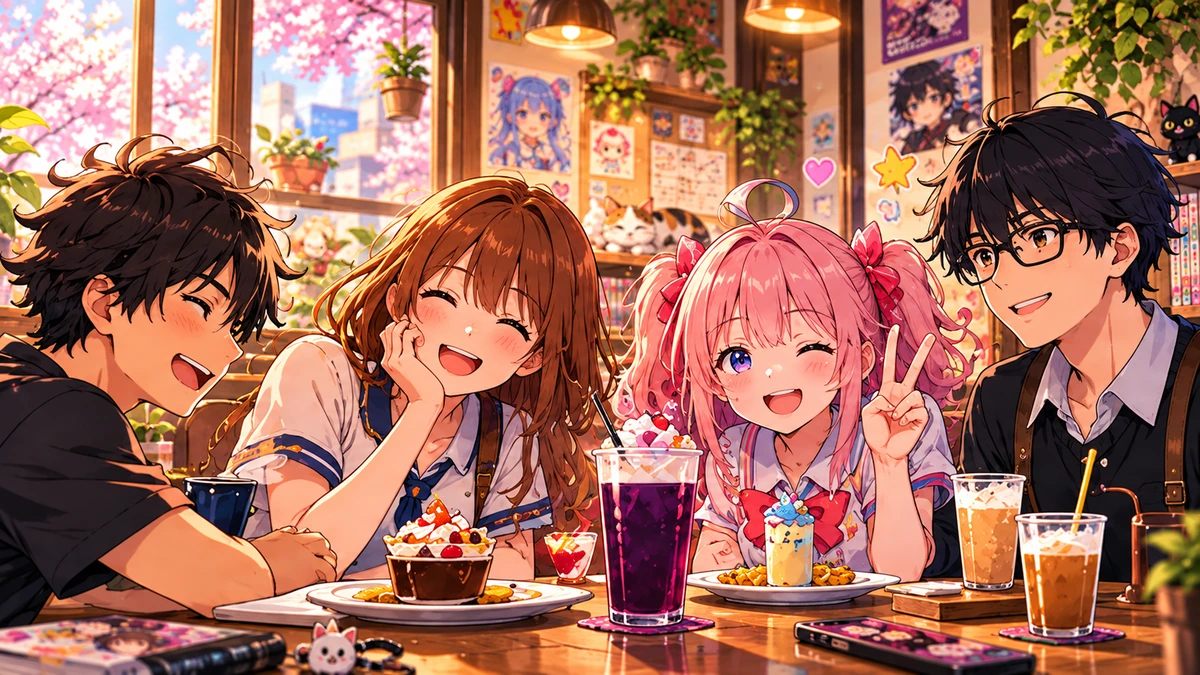
Horror anime can take many forms: ghosts, curses, murders, body horror, paranoia, or impossible creatures.
Some works want to make you jump; others would rather leave an unsettling image in your head for a long time.
Common characteristics
- ghosts and curses
- violence and body horror
- supernatural mystery
- an oppressive atmosphere
- psychological horror
Well-known examples
- Another
- Shiki
- Higurashi
- Yamishibai
- Junji Ito Collection
🎯 Perfect for fans of: suspense, strangeness, and disturbing stories.
| 🤓 Nerd Factor: In Japanese horror, showing less can be more effective. A presence at the far end of a hallway can be scarier than a close-up of a creature. |
|---|
🧠 12. Psychological
Psychological anime focuses intensely on the mind, perception, and inner conflicts. Viewers may be led to question memory, identity, and even what is real.
It is not unusual to finish an episode and need a few minutes to process it.
Common characteristics
- paranoia
- identity
- memory
- trauma
- perception of reality
Well-known examples
- Perfect Blue
- Serial Experiments Lain
- Monster
- Paranoia Agent
🎯 Perfect for fans of: stories that demand attention and leave room for interpretation.
| 🤓 Nerd Factor: When psychological fiction works well, the lore lies not only in what happened, but also in what the character believes happened. |
|---|
🔍 13. Mystery
Mystery invites viewers to put together the puzzle: who did it, why, who is lying, and which piece is still missing?
It is the perfect genre for pausing an episode and proposing theories that will probably be wrong five minutes later.
Common characteristics
- investigation
- secrets
- clues and suspects
- twists
- theories
Well-known examples
- Death Note
- Erased
- The Promised Neverland
- Hyouka
🎯 Perfect for fans of: investigation, riddles, and plot twists.
🧙 14. Fantasy
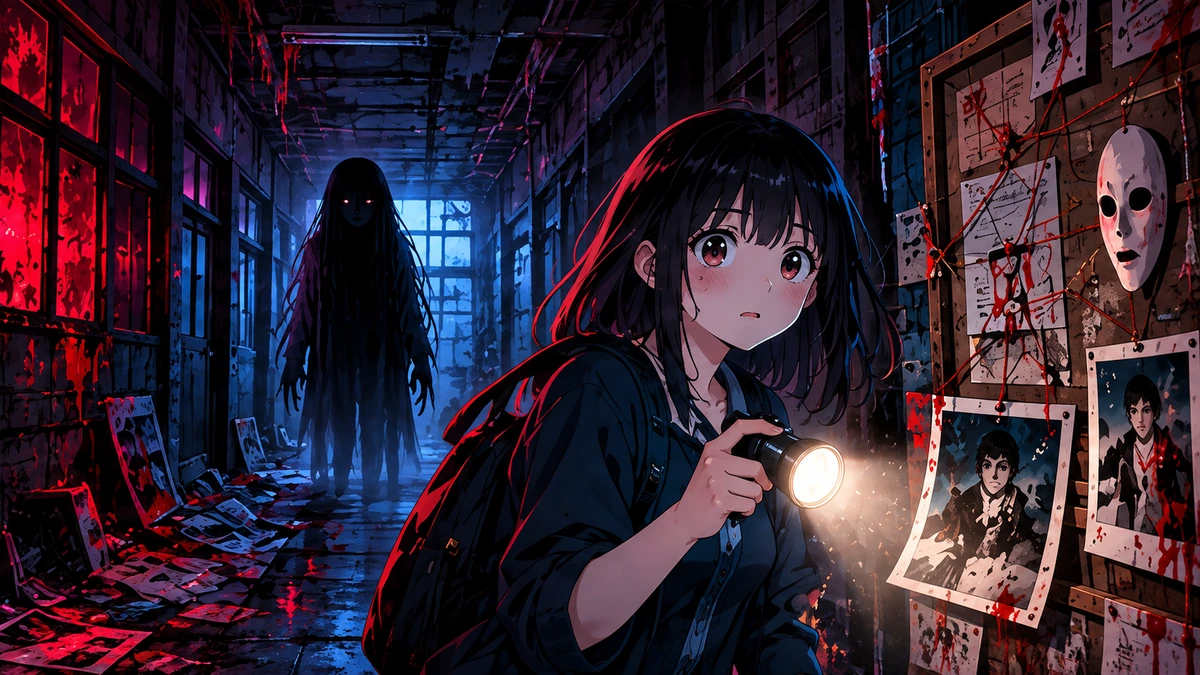
Fantasy creates worlds in which magic, creatures, kingdoms, and supernatural artifacts are part of reality.
It can be a bright adventure or something much darker—fantasy is an enormous umbrella.
Common characteristics
- wizards
- dragons
- demons
- elves
- kingdoms and magical artifacts
Well-known examples
- Frieren
- Fairy Tail
- Black Clover
- Made in Abyss
🎯 Perfect for fans of: magical worlds, exploration, and supernatural powers.
🚀 15. Science Fiction
Science fiction explores technology, possible futures, and changes in society brought about by science and innovation.
Artificial intelligence, cyberpunk, space travel, virtual reality, and futuristic societies are frequent elements.
Common characteristics
- artificial intelligence
- space travel
- cyberpunk
- robots
- virtual reality
- futuristic societies
Well-known examples
- Steins;Gate
- Ghost in the Shell
- Psycho-Pass
- Cowboy Bebop
🎯 Perfect for fans of: technology, alternate futures, and big questions about humanity.
| 🤓 Nerd Factor: Ghost in the Shell helped establish debates about identity, consciousness, and artificial bodies long before those subjects dominated conversations about AI and technology. |
|---|
🩸 16. Dark Fantasy
Dark fantasy combines fantasy with bleak settings, violence, tragedy, and morally complex worlds.
It does not just mean “fantasy with blood”: hopelessness, loss, or corruption within the world itself is often an important part of the experience.
Common characteristics
- dangerous worlds
- violence and tragedy
- moral ambiguity
- terrifying creatures
- a dark atmosphere
Well-known examples
- Berserk
- Claymore
- Attack on Titan
- Made in Abyss
🎯 Perfect for fans of: fantasy with serious consequences and little guarantee of a happy ending.
| 🤓 Nerd Factor: Attack on Titan shows how a work can be shonen by demographic and dark fantasy by theme. That is exactly why distinguishing these categories matters. |
|---|
🏆 17. Sports
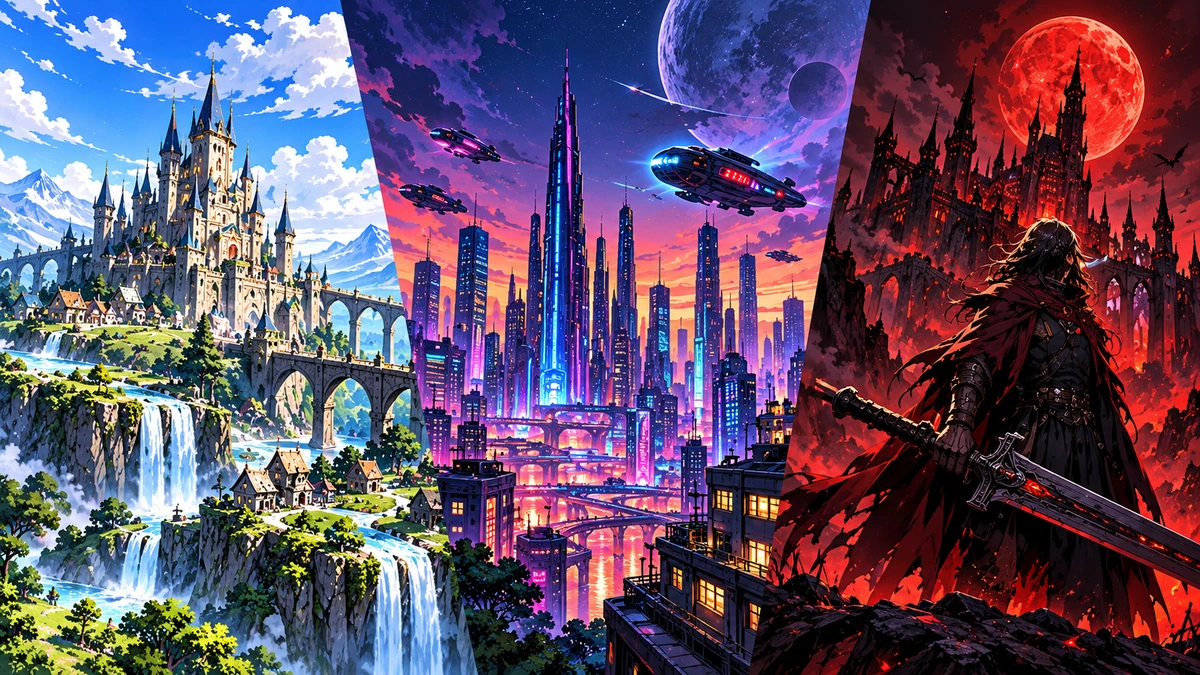
Sports anime turn matches and training sessions into journeys of rivalry, friendship, and self-improvement. Sometimes a volleyball serve gets more dramatic tension than the final battle against a villain.
The sport can be anything from football and volleyball to boxing, racing, and many other disciplines.
Well-known examples
- Haikyuu!!
- Blue Lock
- Slam Dunk
- Hajime no Ippo
🎯 Perfect for fans of: competition, growth, teamwork, and rivalry.
| 🤓 Nerd Factor: The hype works because the visual language treats plays like decisive moments in battle. Sometimes watching a match feels like a shonen tournament arc. |
|---|
🎵 18. Music
These stories place music, performances, and artistic careers at the center of the narrative.
They can follow bands, idols, classical musicians, competitions, or characters trying to overcome insecurity through art.
Well-known examples
- Bocchi the Rock!
- K-On!
- Your Lie in April
- Nana
🎯 Perfect for fans of: music, emotion, performance, and personal growth.
✨ 19. Mahou Shoujo
Mahou shoujo means “magical girl.” Transformations, powers, special items, and friendship are strongly associated with this style.
But beware of expectations: not every magical girl lives in a lighthearted, colorful universe.
Common characteristics
- transformations
- magical powers
- friendship
- special objects
- heroic identities
Well-known examples
- Sailor Moon
- Cardcaptor Sakura
- Puella Magi Madoka Magica
🎯 Perfect for fans of: magic, heroines, and iconic transformations.
| 🤓 Nerd Factor: If “magical girl” always means sparkle, friendship, and cute mascots to you, Madoka Magica might have something to say about that. |
|---|
🍜 20. Gourmet or Cooking
Yes: there are entire anime about food—and some make preparing a dish feel as dramatic as a fight.
They can feature restaurants, competitions, cooking techniques, and food-focused journeys.
Well-known examples
- Food Wars!
- Campfire Cooking in Another World
- Restaurant to Another World
🎯 Perfect for fans of: cooking, competition, and stories that make you hungry.
🎮 21. Gaming-related Anime
Some stories take place inside games or use systems clearly inspired by video games: levels, classes, abilities, guilds, quests, and bosses.
This structure often overlaps with isekai, but the two concepts are not identical.
Common characteristics
- levels and experience
- classes and abilities
- guilds
- quests
- bosses and progression systems
Well-known examples
- Sword Art Online
- Log Horizon
- Overlord
🎯 Perfect for fans of: RPGs, virtual worlds, and progression systems.
| 🤓 Nerd Factor: Isekai and “anime with game systems” may overlap, but they are not synonyms. A character can travel to another world with no status menu, and a story can take place inside a game without the usual reincarnation setup. |
|---|
😈 22. Supernatural
The supernatural encompasses elements that fall outside the ordinary rules of reality: spirits, demons, curses, exorcists, and inexplicable powers.
It is a category that easily combines with action, horror, comedy, and mystery.
Common characteristics
- spirits
- demons
- curses
- powers
- exorcists
Well-known examples
- Jujutsu Kaisen
- Bleach
- Noragami
- Blue Exorcist
🎯 Perfect for fans of: curses, spirits, battles, and supernatural mythology.
⚔️ 23. Adventure
Adventure follows characters on journeys, trips, and discoveries. Maps, treasures, quests, and exploration are recurring elements.
It is one of the categories most easily combined with fantasy, action, and shonen.
Common characteristics
- travel
- maps
- treasures
- quests
- exploration
Well-known examples
- One Piece
- Hunter x Hunter
- Made in Abyss
🎯 Perfect for fans of: long journeys, discovering new places, and the sense of exploration.
🏫 24. School
“School” generally works more as a setting than as a genre. School is the stage for the story, but the content may be romance, horror, comedy, action, or mystery.
It is one of the most frequent settings because it brings together characters of a similar age, everyday routines, and social conflicts in one shared space.
Common characteristics
- school clubs
- friendships and rivalries
- teenage romance
- everyday life
- events and festivals
🎯 Perfect for fans of: stories set in student life.
| 🤓 Nerd Factor: A school anime can change tone completely without leaving the same corridor—from romantic comedy to mystery, horror, or supernatural battle. School is the setting; what happens there defines the genre. |
|---|
💕 25. Harem
Harem describes a narrative structure in which one character is surrounded by several possible romantic interests. In reverse harem, the female protagonist is usually surrounded by several possible partners.
It may appear alongside romance, comedy, fantasy, or isekai.
Common characteristics
- multiple romantic interests
- situational comedy
- romantic rivalries
- romance and fan service
🎯 Perfect for fans of: romantic comedies with many admirers and group dynamics.
| 💡 Worth remembering: Harem describes a romantic or narrative structure. It should not be confused with demographics such as shonen, shojo, or josei. |
|---|
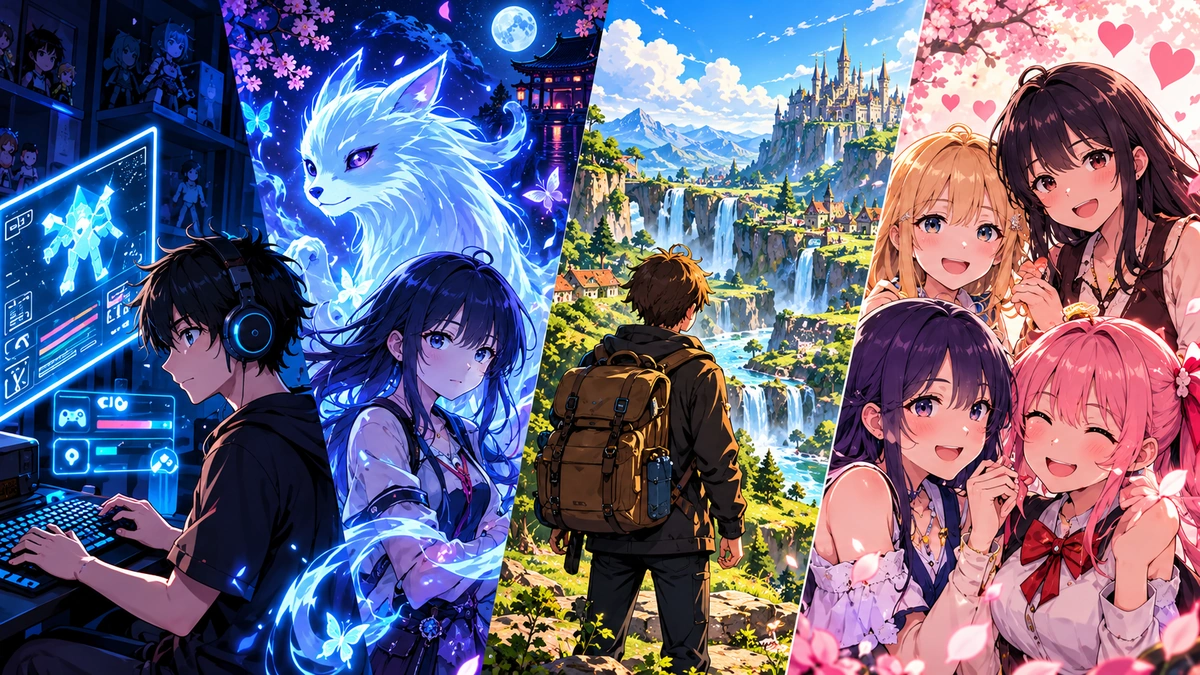
🎭 Can one anime belong to several genres at once?
Yes—and it happens all the time. Categories are not exclusive boxes; they work more like layers.
- Shonen + action + fantasy + supernatural
- Shojo + romance + school + comedy
- Seinen + psychological + mystery + horror
- Isekai + fantasy + comedy + romance
| 🧩 Think of tags, not drawers: It is more useful to imagine each anime as a set of tags than to try to choose a single label. That is why two shonen works can be completely different, and why dark fantasy may also be shonen or seinen. |
|---|
🤔 So is shonen a genre?
Technically, not quite. It is one of the most common mistakes among newcomers—and even on some online lists.
Shonen: a publishing demographic aimed at teenage boys.
Shojo: a publishing demographic aimed at teenage girls.
Seinen: a publishing demographic aimed at adult men.
Josei: a publishing demographic aimed at adult women.
Horror, romance, adventure, fantasy, isekai, mecha, and other terms, on the other hand, describe content, themes, or narrative structures more accurately.
🎯 How do you discover which anime suits you?
If you love action: Shonen • Dark Fantasy • Supernatural
If you love romance: Shojo • Josei • Romance
If you love games: Isekai • Gaming-related Anime • Fantasy
If you love horror: Horror • Psychological • Supernatural
If you want to relax: Slice of Life • Comedy • Gourmet
If you love theories: Mystery • Psychological • Science Fiction
👩👧 Mother and daughter: which genres do we prefer?
This is where the guide becomes something truly personal: two generations can love the same universe but reach it by completely different paths.
💜 Mom's favorite genres
My favorite genre: I don't have just one. I really like shonen and psychological stories, but I'm always open to discovering different styles.
Anime that made me love those styles: Demon Slayer, Jujutsu Kaisen, and Tokyo Revengers are among my favorites.
A genre I want to explore: I'm open to everything, because the variety of anime is precisely what I enjoy.
💙 Daughter's favorite genres
My favorite genre: I don't have one specific favorite; I like individual anime regardless of their classification.
Anime I recommend most: Tokyo Revengers.
Genre I watch least: romance and similar genres.
🎮 Mãe e Filha Geekando Challenge
One of us chooses a genre the other usually doesn't watch. Then we pick an anime in that style and watch it together.
- Which anime do we most enjoy watching together? Jujutsu Kaisen and Demon Slayer are among our favorites.
- Would we keep watching? Yes. We're always looking forward to new releases and seasons.
- Which characters steal the show? In Demon Slayer, Inosuke; in Jujutsu Kaisen, Gojo and Sukuna.
🎌 What's your favorite anime genre?
Now we want to know: shonen, shojo, seinen, isekai, horror, romance, mecha, slice of life—or the one genre that always makes you click “next episode” without a second thought?
Tell us in the comments which one is your favorite and recommend an anime that represents that style. Maybe your recommendation will become our next binge-watch!
Mãe e Filha Geekando—two generations, one geek universe. 💜🎮
🔗 Read also
- Horror anime that will make you sleep with the light on
- The strangest and scariest Japanese monsters
- The scariest theories from cartoons and games
💬 Join the conversation
Tell us what you thought and share your opinion. Soon this section may accept comments directly on the site.